
Every November 14th, we commemorate National Seat Belt Day to underscore the crucial life-saving benefits of that unassuming buckle. This day is dedicated not only to acknowledging the historical significance of seat belts but also to promoting awareness of their essential role in ensuring our safety while driving.
Why National Seat Belt Day Matters
National Seat Belt Day, established in 2019 by the Governors Highway Safety Association (GHSA), Uber, and Volvo, serves as a reminder that the three-point seat belt, invented by Nils Bohlin in 1959, remains one of the most effective safety innovations in the history of automobiles. Despite its simplicity, this invention has saved countless lives and continues to be a critical component in vehicle safety. Often overlooked, the seat belt is a humble hero of road safety. Consider these compelling statistics: seat belts reduce fatalities by 45% among front-seat passengers and drivers, prevent serious injuries by 50%, and are an essential complement to airbags, which can be dangerous if passengers aren’t restrained by seat belts.
How to Observe National Seat Belt Day
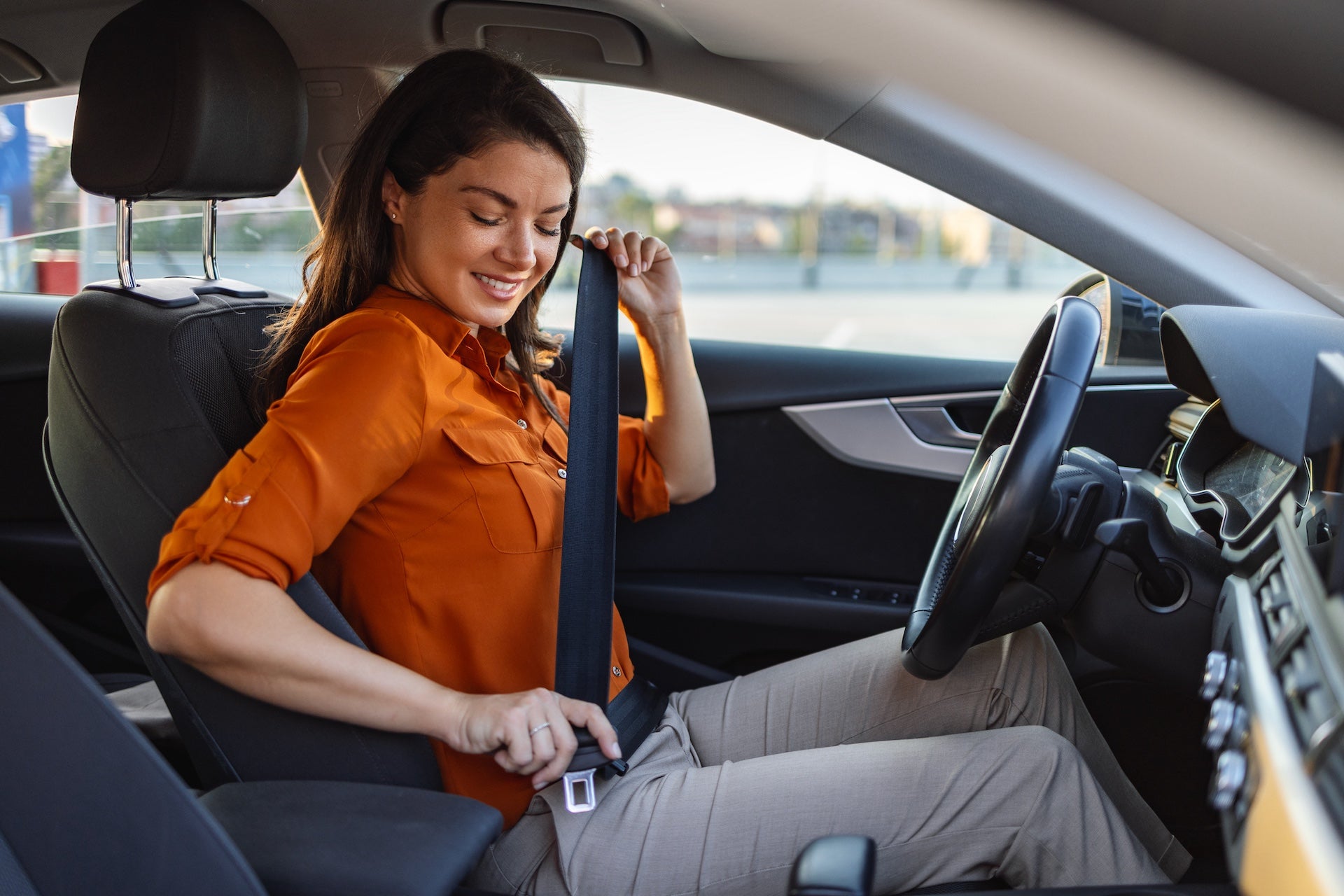
Buckling up every time you get into a vehicle is a simple yet crucial action for your safety. By wearing your seat belt consistently, you can significantly reduce the risk of injury. Be a role model and encourage those around you to do the same, ensuring all passengers are properly buckled up, whether it's a short drive or a long journey.
Raise awareness about the significance of seat belts by engaging in discussions and utilizing social media platforms. Share anecdotes, statistics, and personal experiences to highlight the critical need for buckling up. Teaching children this essential habit can foster a lifetime of safety practices. Involve them in fun activities like the Buckle Up Buddy Heart craft and the Ride Safe activity sheet to effectively impart road safety lessons.
The History of Seat Belts Use
The history of seat belts is a testament to progress in automotive safety. From the first patent by Edward J. Claghorn in 1889 to the mandatory inclusion of seat belts in all U.S.-manufactured vehicles by 1968, the evolution of seat belt usage reflects a growing commitment to protecting lives on the road.
Initially met with skepticism, as some critics claimed that seat belts could entrap passengers in an accident, the data quickly dispelled those concerns. By 1968, the implementation of seat belts became mandatory at the federal level, leading to a consistent rise in their usage. The national seat belt usage rate climbed from 58% in 1994 to an impressive nearly 92% by 2023.
Fast Facts About Seat Belts
- Influence on Youth: Children whose parents use seat belts are more likely to buckle up themselves.
- Rural vs. Urban: Despite assumptions of safety, rural areas often see higher rates of unrestrained fatalities.
- Back Seat Safety: Rear-seat passengers must also buckle up to ensure maximum safety during a crash.
Buckle Up, Every Time, Everywhere!
National Seat Belt Day is more than just a date on the calendar; it's a call to action. It’s a reminder that we hold the power to protect ourselves and our loved ones with the simple act of buckling up. This November 14th, Visit Casa Ford in El Paso County to celebrate the innovation of the seat belt with Ford’s commitment to safety and make every ride a safe one. Spread the word, educate those around you, and most importantly, click it every time you get into a vehicle. Remember, it’s not just about avoiding a ticket—it’s about saving lives. Need a repair to ensure the safety of your vehicle? Visit our service center for quality repairs, parts, and tires! Our team looks forward to meeting you.